Plumbing questions · Phoenix
What does Phoenix hard water do to your plumbing?
The short answer
Phoenix tap water carries 10 to 17.6 grains of calcium and magnesium per gallon, according to the City's 2025 water quality report. It's safe to drink. It leaves scale behind, and that scale clogs aerators, wears out faucet cartridges and shower valves, and shortens the life of water heaters.
Simon's Plumbing · AZ ROC #323513 · Updated
How hard Phoenix water is
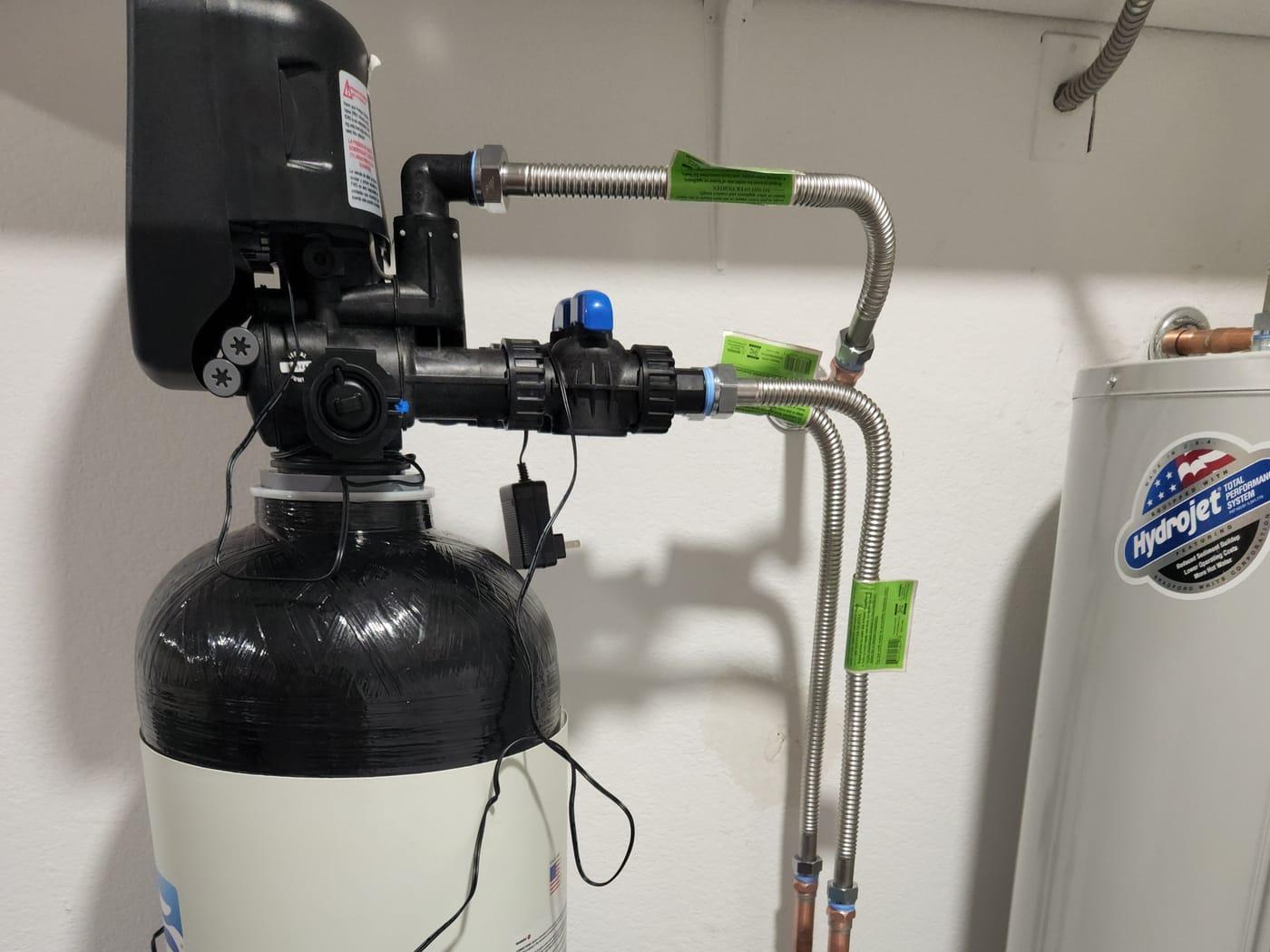
The City of Phoenix publishes a water quality report every year. The 2025 report puts total hardness at 172 to 302 parts per million, which works out to 10 to 17.6 grains per gallon.
The hardness is calcium and magnesium. The water picks them up from the soil on its way from the Salt, Verde, and Colorado rivers to the city's treatment plants. The City counts hardness as a matter of taste and appearance, outside the health standards, so the water is safe to drink. Your plumbing feels it, though.
Where the scale shows up
When hard water dries, the minerals stay behind as a white crust called scale. The City's report names the places it collects: pipes, water heaters, faucets, and showerheads. Inside a house, that turns into four common problems.
Faucets
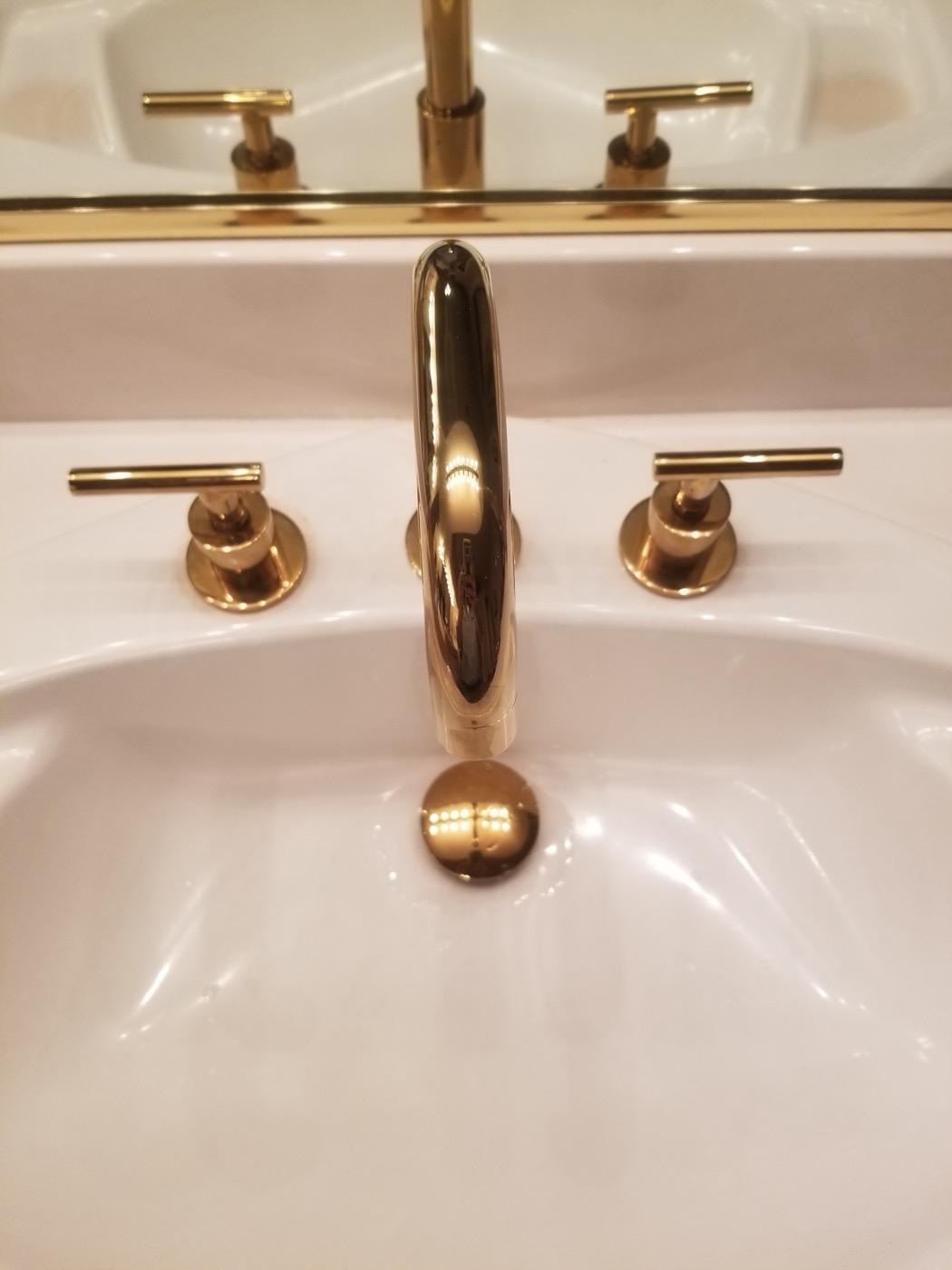
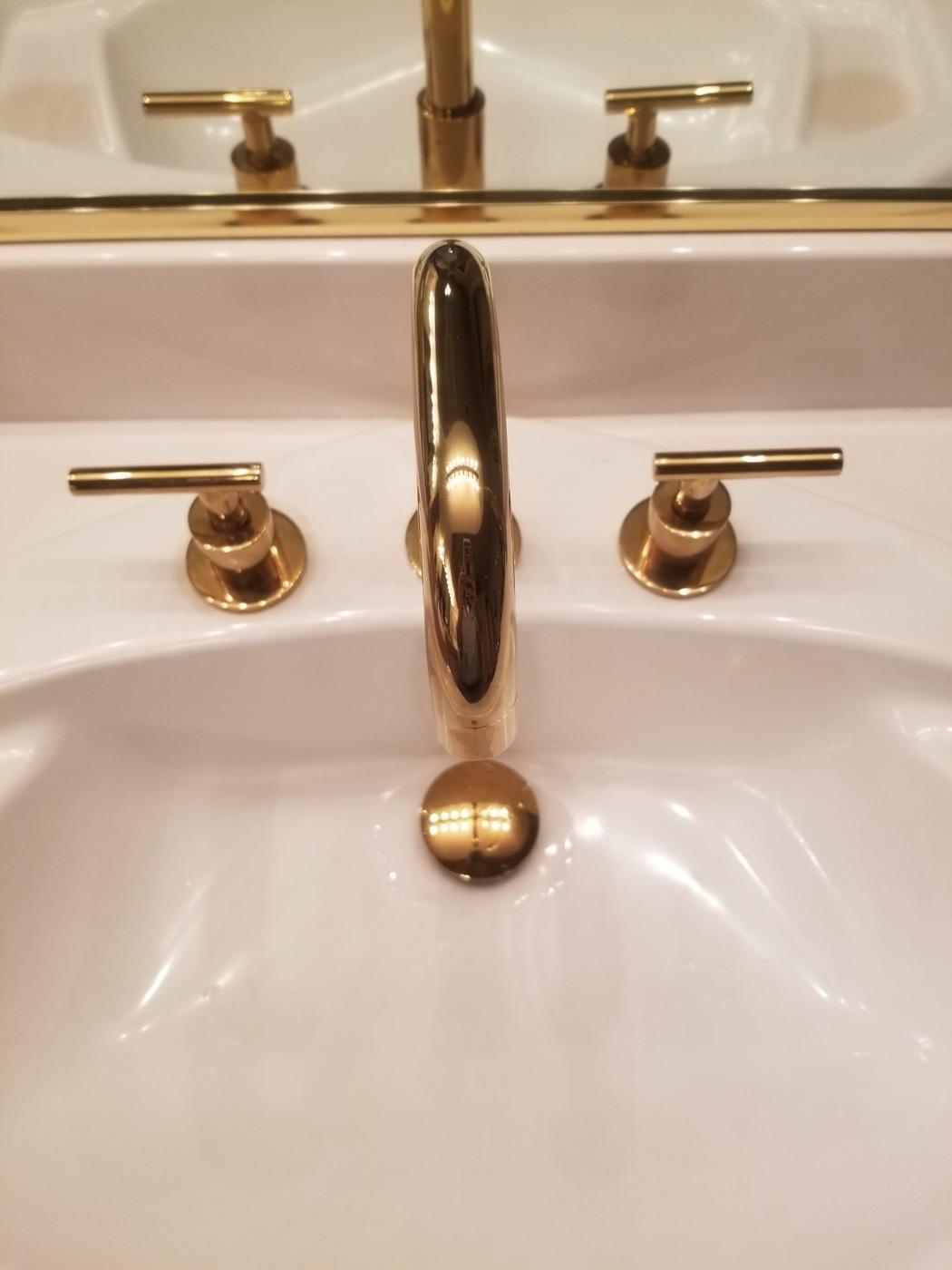
Scale builds up on the aerator screen at the tip of the spout and slows the flow. Inside the faucet, it grinds down the cartridge and seals until the faucet drips with the handle closed.
Shower valves
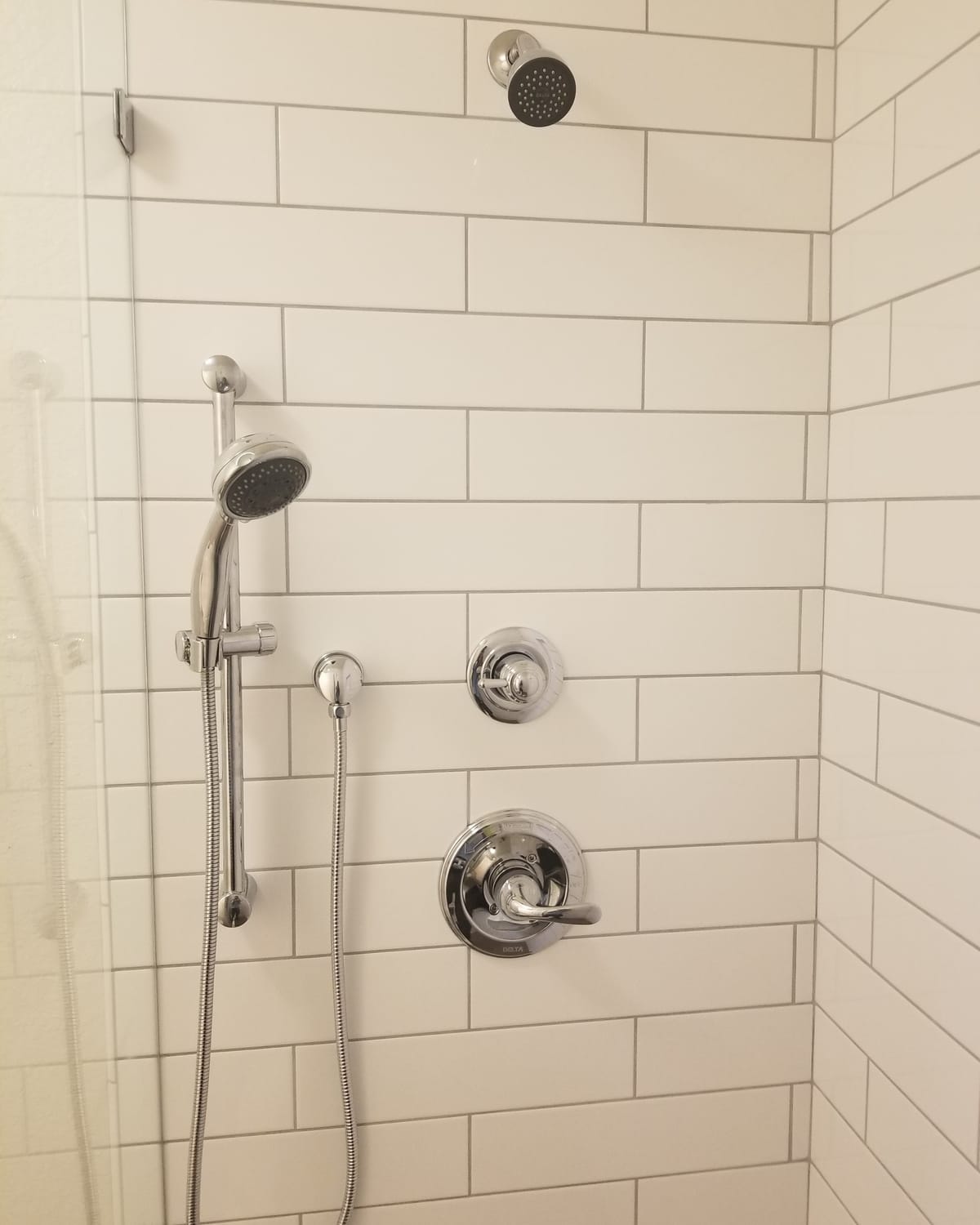
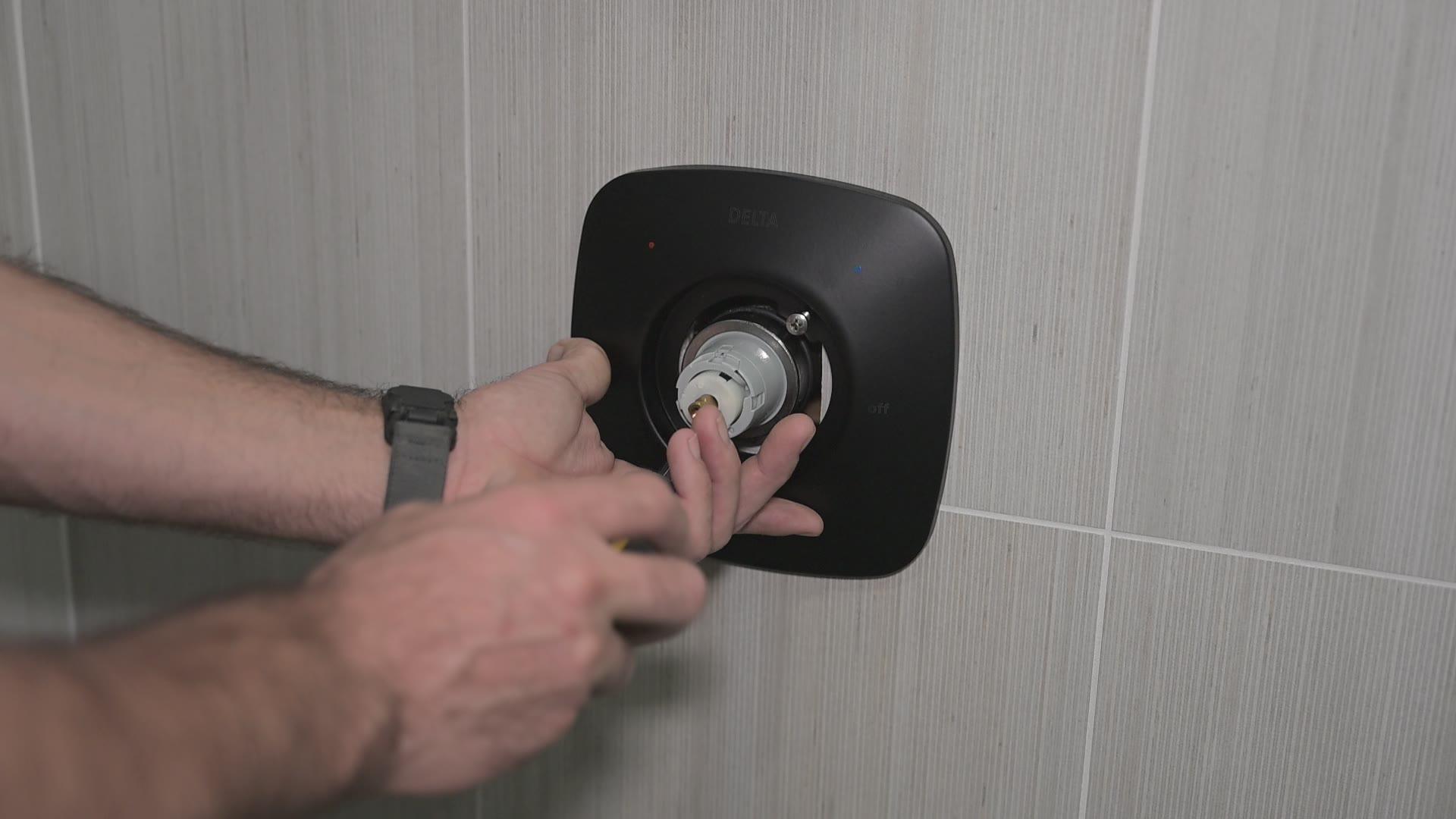
Scale inside the valve body chokes the flow and makes the handle stiff or gritty. A shower that keeps dripping after you shut it off has a cartridge letting water past.
Water heaters
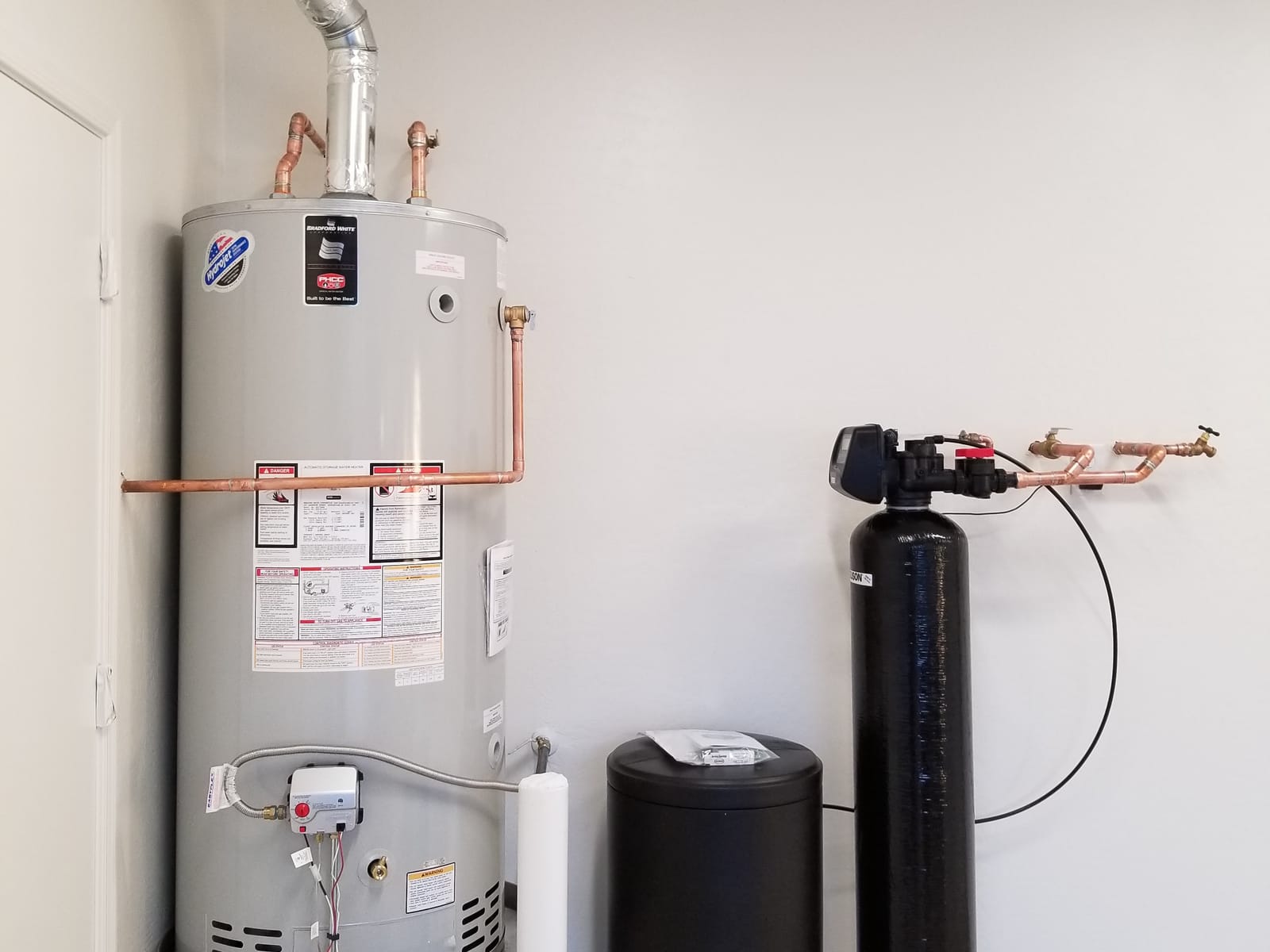
Minerals settle to the bottom of the tank as sediment. A tank that pops or rumbles while it heats usually has a layer of it, and Phoenix water pushes tanks toward the short end of their lifespan.
Toilets
Mineral buildup in the trapway narrows the path the water takes. A toilet that clogs again and again can be the result.
What you can clean yourself
Start with the aerator, the small screen at the tip of the faucet. Unscrew it by hand, or with pliers wrapped in a cloth, and soak it overnight in white vinegar. Rinse it and screw it back on. Weak flow at a single faucet usually comes from a clogged aerator, so this often brings the pressure back.
A crusty showerhead gets the same treatment. Fill a plastic bag with vinegar, tie it around the head so the face sits in it, and leave it overnight. The white crust on the outside of a faucet wipes off with a cloth soaked in vinegar.
When cleaning stops working
Vinegar takes off the scale you can see. Worn parts stay worn. A faucet that drips with the handle closed, a handle that grinds, a shower that drips after you turn it off, or a water heater that rumbles every time it heats has a part inside that scale has already worn down.
Simon quotes the repair before any work starts. If a new cartridge or seal fixes it, that's the job. If the faucet is done, he tells you and quotes the replacement installed. Text him a photo at 602.739.4117.
Good to know
Weak flow at one faucet usually means a clogged aerator. Soak it in white vinegar overnight before you call anyone.
Top notch customer service! Simon did great work and fixed the problem I had while explaining to me what was going on at my property! Definitely found my go to plumber:)
Stephanie Holmes · October 2026 · Plumbing repair
Frequently asked questions
Is Phoenix hard water safe to drink?
Yes. The City of Phoenix counts hardness as an aesthetic quality, like taste and odor, and it sits outside the drinking water health standards. The minerals are calcium and magnesium.
What is the white crust on my faucet?
Dried minerals from the water, mostly calcium and magnesium. Wipe it off with a cloth soaked in white vinegar. Chrome that's pitted underneath is past cleaning, and that faucet is ready for replacement.
Does hard water damage pipes?
Scale can build up in pipes too. The City of Phoenix water quality report lists pipes, water heaters, faucets, and showerheads as the places hard water leaves scale.
Will a water softener stop the damage?
A water softener takes calcium and magnesium out of the water before it reaches your fixtures, so new scale stops forming. Parts that scale has already worn, like a faucet cartridge or a shower valve, still need replacing.
Services that fix this
Related questions

Tell Simon what's going on.
Call or text and you'll reach Simon himself. Send a photo of the problem if you have one. He'll tell you what he sees and when he can be there.
5.0 from 576 Google reviews